
How to Choose a Wedding Venue in Delaware & Eastern Shore
What actually matters before you book, from guest count and setting to logistics and what’s included
Choosing a wedding venue in Delaware and along the Eastern Shore isn’t just about finding a setting you like. It’s about understanding how that setting will shape the entire experience of the day.
Venues in this region vary widely in how they function. Some are centrally located with easy access to hotels and transportation, while others are more private and spread out, where accommodations, travel time, and guest logistics need to be planned from the start.
For couples planning from out of town or considering a destination wedding, those factors become even more important. Where guests stay, how they get there, and how easily they can move through the day all play a role in how the event comes together.
Before focusing on aesthetics, it helps to understand what actually goes into choosing a venue here and how those decisions impact both planning and guest experience.
Choosing a wedding venue in Delaware and along the Eastern Shore comes down to guest count, setting, location, logistics, and what the venue includes.
Start with Guest Count
Guest count determines more than just capacity. It affects layout, cost, and how the space will actually feel on the day.
Most venues list a maximum number, but that doesn’t always reflect how the room will function. A space that technically fits 150 guests may feel tight for a seated dinner, while a larger venue can feel underutilized with a smaller group. The goal isn’t to fit your guest list, but to choose a space that suits it.
What to consider:
- Maximum capacity vs comfortable fit
- Seated dinner vs cocktail-style events
- Flexibility if your guest list changes
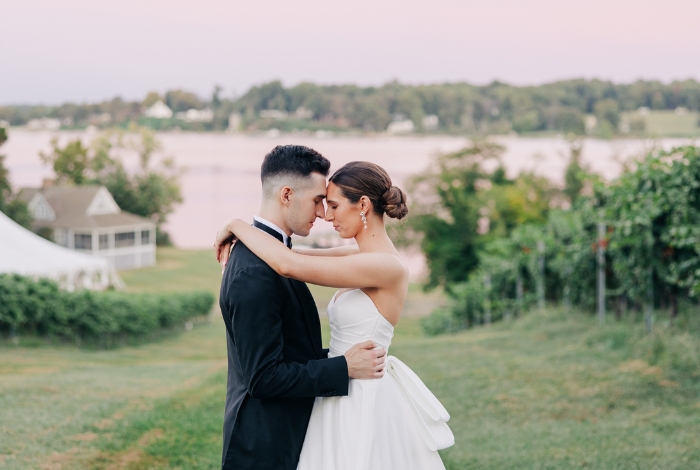
Smaller venues like Juniper by Tonic are designed for lower guest counts, while larger properties can offer more flexibility in how space is used.
Luke & Ashley Photography
Choose Your Setting
Once you have a working guest count, the next decision is the setting. This is usually what couples respond to first, but it also determines how much needs to be brought in to make the day work.
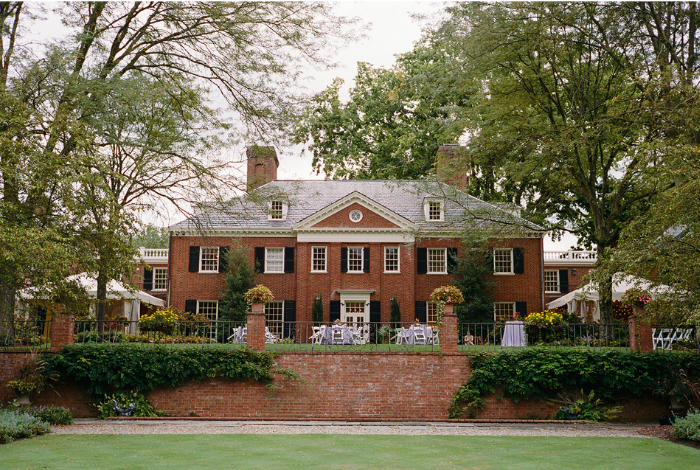
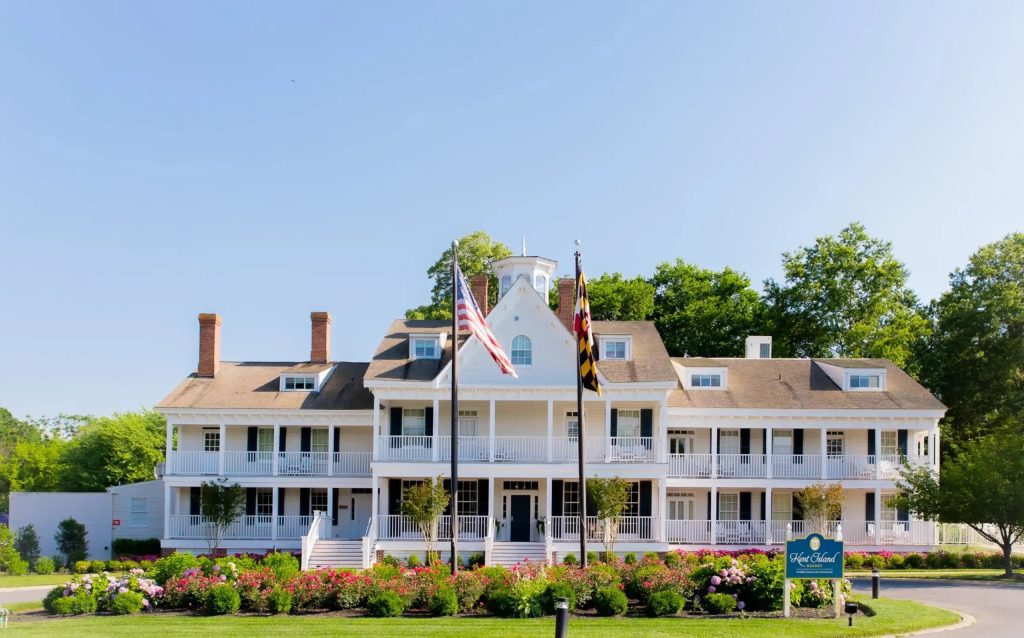
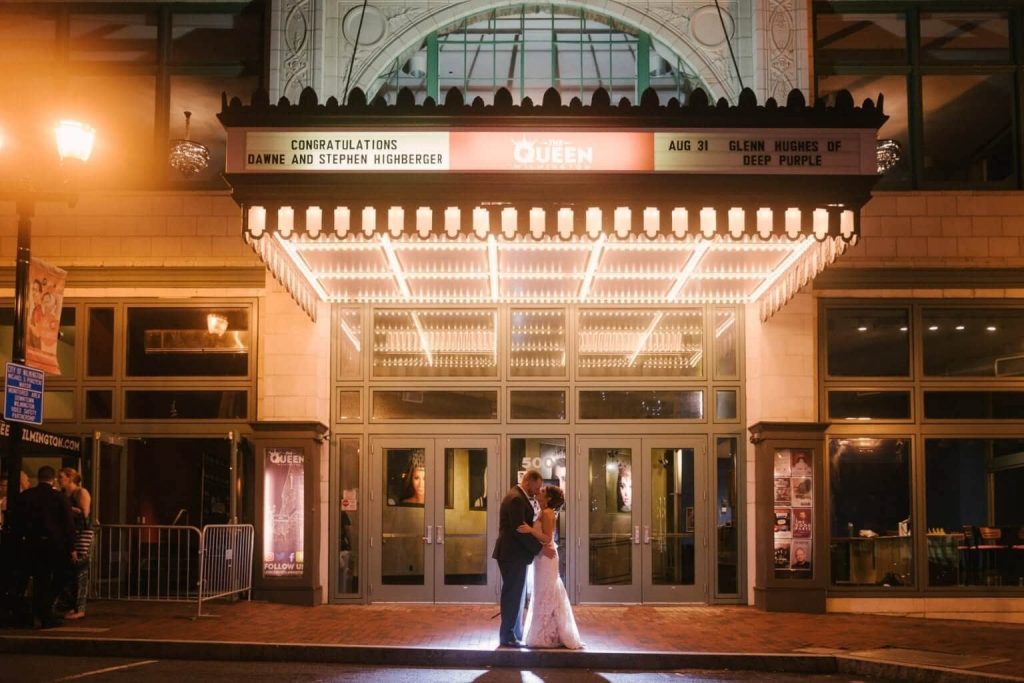
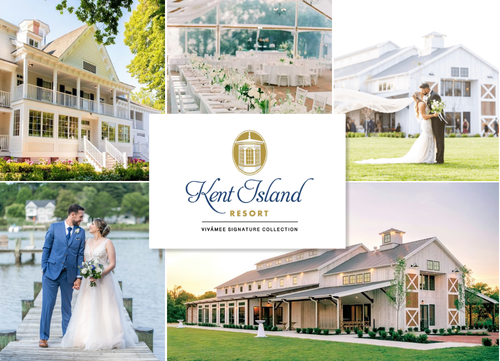
Estate properties like Brantwyn or Winterthur already carry a strong visual presence through their architecture and grounds. Waterfront venues such as Addy Sea Historic Oceanfront Inn or Kent Island Resort offer a different experience shaped by their coastal and waterfront environments. City venues in downtown Wilmington, like The Queen, bring a more urban setting with built-in structure and atmosphere.
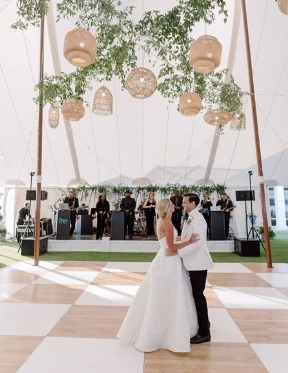
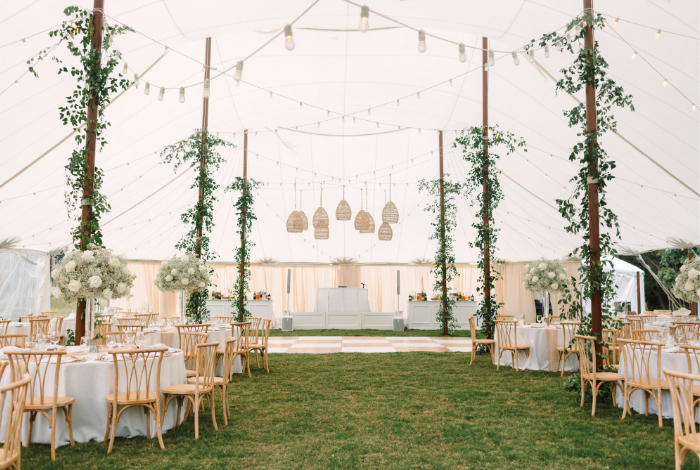
In this region, it’s also common for receptions to take place under a tent, even at properties that have indoor space.
Important considerations:
- Is a tent included or required?
- What needs to be added (flooring, lighting, climate control)?
- How does installation and breakdown affect the timeline?
- What does this add to the overall investment?
Tented weddings can be beautiful, but they introduce additional layers of coordination and cost that should be understood early.
“Details like guest flow, backup weather plans, catering access, power needs, and transitions between spaces have just as much impact as the décor itself.”
— Meghan, Collective Event Group
You can explore more waterfront and coastal options in our Delaware & Eastern Shore waterfront venue guide.
Shelby Darling Photography
Think About Location Like a Host
Location tends to feel like a preference at first, but in this region it quickly becomes a planning decision.
Northern Delaware, the beaches, and the Eastern Shore all function differently. Some areas are more centralized with easier access to hotels, while others are more spread out, where accommodations and transportation need to be part of the plan from the start.
One of the most common challenges is hotel availability. In certain areas, there are limited options nearby, and not all are within a short or convenient drive. Couples often rely on a mix of hotels and short-term rentals, especially in coastal and Eastern Shore locations.
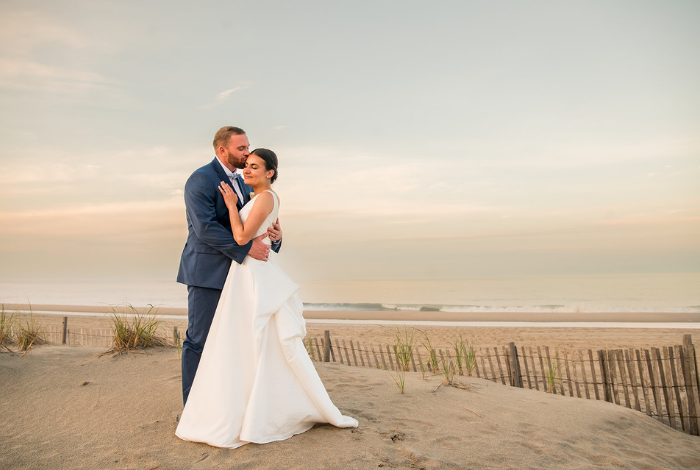
Some venues help offset that need. Properties like Addy Sea Historic Oceanfront Inn or Kent Island Resort offer on-site accommodations, but rarely enough for the full guest list.
Distance also matters more than it seems. A venue that’s twenty minutes from theThe nearest hotel may not sound significant at first, but multiplied across dozens of guests and multiple trips, it changes the rhythm of the day.
Transportation has to be part of the plan, not just an add-on. For venues that require guest movement between hotels and the property, working with a transportation company like Delaware Limo can help keep timing consistent and reduce friction throughout the day.
Key considerations:
- Proximity to hotels and rentals
- Travel time for guests
- Availability of on-site accommodations
- Need for transportation
Accessibility is part of this as well:
- Walking distance between spaces
- Terrain and outdoor movement
- Ramps, elevators, and mobility access
Arbor Lane Photography
What’s Included
One of the biggest differences between venues isn’t the setting, it’s what’s included.
Some venues are full-service, while others require everything to be brought in separately. There are also hybrid models that fall somewhere in between. If you’re comparing full-service options, you can explore our guide to all-inclusive wedding venues in Delaware & Eastern Shore.
Look closely at:
- Tables, chairs, linens
- Staffing and coordination
- Setup and breakdown
- Bar service
A venue that appears simple at first can require significantly more coordination depending on how it’s structured.
Vendor Restrictions
Some venues place restrictions on which vendors can be used. In some cases, you’ll be required to choose from a specific list. In others, there may be a preferred list, or full flexibility.
This can impact:
- Flexibility in design and planning
- Overall investment
- Level of coordination required
As complexity increases, many couples choose to work with a planner early in the process.
“It can be so overwhelming without expert guidance. Many couples realize later they wish they had a planner involved from the beginning.”
— Alliyah, The Bridal Bestie
Alcohol & Bar Logistics
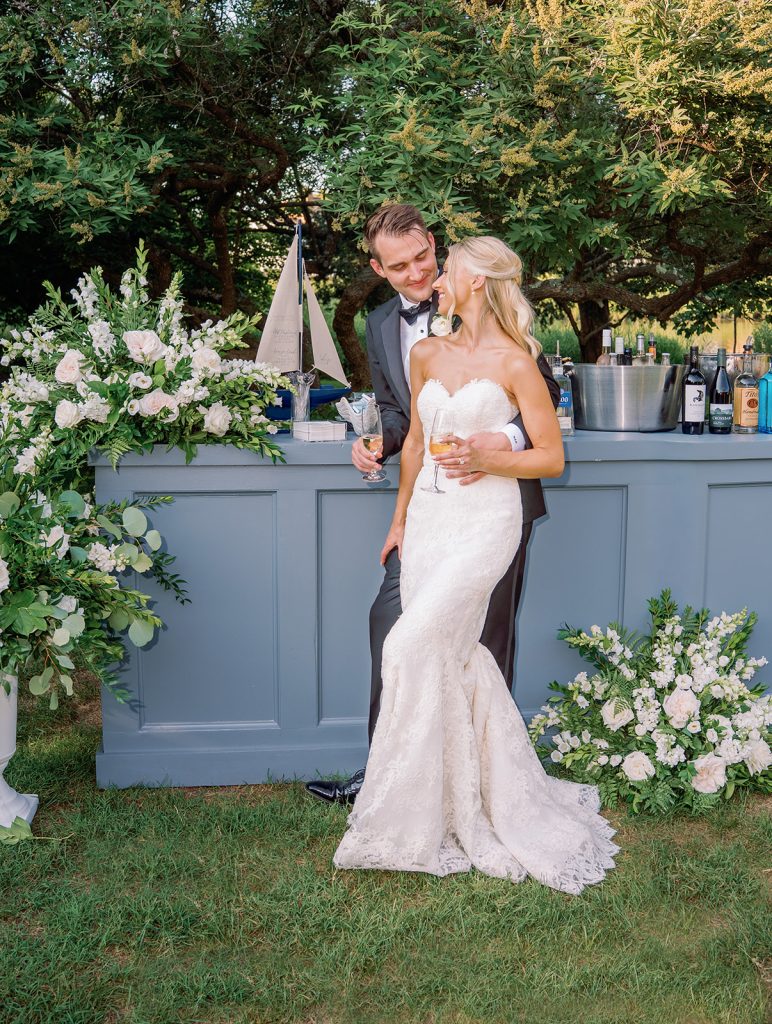
Bar service is one of the more complex aspects of planning in Delaware.
At full-service venues, alcohol is handled in-house. At venue-only or outdoor properties, it often requires licensed bartenders, permits, and additional coordination.
Important to understand:
- Not all venues are licensed to serve alcohol
- Licensed bartenders are required
- Permits or insurance may be needed
- Outdoor properties often have more restrictions
This becomes especially relevant for tented or more open settings.
Lindsay Monahan Photography
Ceremony & Reception Logistics
Once you move beyond the setting, it’s important to understand how the day will actually function.
Some venues host everything in one place. Others require movement between spaces.
Questions to ask:
- Are ceremony and reception in the same location?
- Will guests need to walk or be transported?
- How far apart are spaces?
- Is there a weather backup plan?
Even small distances can feel significant depending on terrain, lighting, and guest mobility.
Budget Structure
Venue pricing rarely reflects the full scope of what’s required.
Two venues with similar base pricing can operate very differently once catering, rentals, staffing, and logistics are accounted for.
Tented weddings are a common example. A property may offer a beautiful outdoor setting, but the addition of a tent introduces flooring, lighting, power, and climate control.
What to evaluate:
- What’s included vs added later
- Tenting and rental requirements
- Staffing and service structure
- Transportation and bar setup
The goal is to understand what’s required to execute the day at the level you expect, and how that structure aligns with your overall plan.

Anerino Originals
Guest Experience
Guest experience is shaped by details that don’t always stand out during a tour but become very noticeable on the day itself.
Key considerations:
- Comfort in different weather conditions
- Restroom availability
- Accessibility and mobility needs
- Travel time and ease of movement
Outdoor and tented weddings often require additional planning to keep guests comfortable throughout the event. Shade, airflow, and temperature changes over the course of the evening can all affect how long guests stay engaged.
Restrooms are another factor that’s easy to overlook early on. Many estates, barns, and private properties are adapted for weddings rather than built for them, which can mean limited facilities, longer walks, or layouts that aren’t ideal for larger guest counts. In those cases, bringing in additional restroom accommodations, such as Lux Lavs, becomes part of the overall setup and can significantly improve the guest experience.
Accessibility should be considered across the full event. Walking distances, uneven terrain, and transitions between spaces can impact how easily guests move through the day, particularly for older guests or those with mobility limitations.
“A beautiful wedding is important, but a well-paced, comfortable experience is what guests remember.”
— Angie, Eventfully Yours
Match the Venue to the Wedding You Want
Not every venue works for every type of wedding.
The venue determines how the day is structured, how guests experience it, and how much coordination is required behind the scenes.
When the venue aligns with the type of wedding you’re planning, everything else becomes easier to manage.